
Let's Talk Turkey: Get Rid of the Water and Embrace the Dry Brine
No one wants a watery bird.
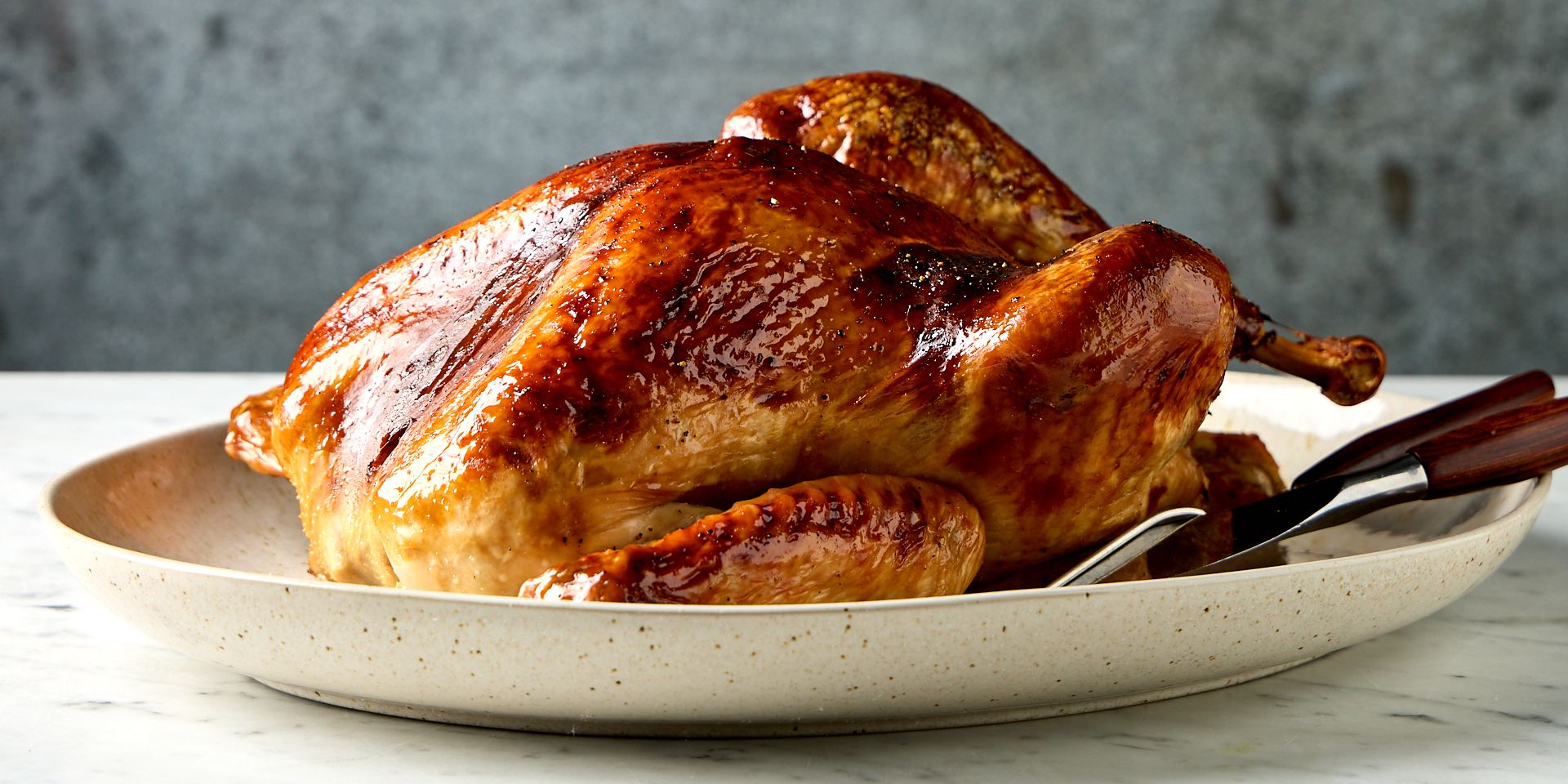
If you’re aiming for perfectly cooked turkey, using a brine is an essential step. Brining tenderizes the meat while distributing flavor deeper and more evenly than a surface seasoning can provide. There are two methods you can use for brining your big hunk of poultry, but it’s important to consider their differences and the ways in which each technique will affect your bird.
Both dry brining and wet brining have the same end goal–a juicy bird with high-impact flavor. And at the root of it all, they’re not terribly different. Both methods rely on salt to season the meat while also breaking down the proteins to make the meat more palatable. But which technique is better for your whole roasted turkey? We headed to the kitchen to put each to the test.
While both methods have merit, the dry brine technique trumped the wet brine in ease, appearance, texture, and, most importantly, flavor. Let’s dive into the specifics.
What is Brining?
Brining is a food prep technique that elevates your meat from good to unforgettable. At its core, brining is the process of using salt (and sometimes sugar, oil, and other seasonings) to infuse your protein with tenderness and flavor. Whether it's a Thanksgiving turkey, or grilled chicken breasts at your summer BBQ, the brining process ensures an end result that’s both rich in taste and satisfyingly succulent.
You'll find two paths to achieve this mouthwatering goodness: dry brining and wet brining. But dry brining is the clear path for those looking for the easiest way to get the most out of their meat.
What is a Dry Brine?
Dry brining, also known as salting, is a simple technique that involves rubbing your turkey with salt and letting it rest in the refrigerator overnight. While it chills, the salt acts as a drying agent, making way for irresistibly crisp skin after cooking. Letting the turkey brine overnight also allows the salt to permeate every layer of the meat, ensuring defined flavor with every bite. (It also takes up far less room in the fridge.)
What to Do:
Generously salt your turkey with Kosher salt (about 1/2 teaspoon per pound) and leave it uncovered in the fridge overnight for 12-24 hours.
How it Works:
The salt first draws moisture out of the turkey, then the salt dissolves, allowing the turkey to reabsorb it. This tenderizes and flavors the meat, all without the use of water.
What is a Wet Brine?
Wet brining is the classic approach that many cooks learn first. It involves soaking the turkey in a saltwater solution to get it ready for cooking. The salted water permeates the meat, ensuring. a moist, flavorful outcome.
What to Do:
Bring 1 quart of water to a boil and stir in 1 cup of Kosher salt. Let cool slightly, then add 3 quarts of cold water to the brine. Chill as needed until the brine is completely cold, then add the brine to a large food-safe container or brine bag and submerge the turkey allowing it to soak for 12-24 hours.
How it Works:
While soaking, the turkey absorbs the saltwater mixture, which infuses it with flavor and helps break down the toughness of the meat. This leads to better moisture retention and evenly seasoned turkey.
What Type of Salt to Use
Coarse kosher salt is key to your brining success. The large granules will dissolve quickly for your wet brines, and they’ll also easily stick to your turkey when dry brining. Avoid using table salt, however, which can easily lead to over-salting and effectively ruining your turkey.
Dry Brine vs. Wet Brine: Which is Better?

Texture:
In a side-by-side comparison, the dry-brined roasted turkey had a slightly better browning, but what really set it apart was the crispy skin that was far superior to the wet-brined turkey.
Juiciness:
Both roasted turkeys retained their moisture well, but the wet-brined turkey was soggier, while the salted turkey came out with a sturdy exterior, a juicy inside, and a much more pleasant chew.
Flavor:
While both methods infused an even seasoning throughout the bird, the wet brining method diluted the turkey’s natural flavor. This added an unappealing watery taste that the dry-brined turkey did not have.
Why Salting (Dry Brining) Wins
Dry brining a turkey requires no water, less space, and one easy step, making it the perfect choice for cooks seeking the best in appearance, juiciness and flavor. Though traditional wet-brining is a classic technique with plenty of merit, dry brining offers an easier, more efficient and flavor-focused method.
Join the conversation on Facebook, Instagram, TikTok and Pinterest.
And if you're looking for more Milk Street, check out our livestream cooking classes with our favorite chefs, home cooks and friends for global recipes, cooking methods and more.

Milk Street
Milk Street searches the world for techniques and ingredients that can transform your home cooking, producing bolder dishes with less time and effort.

