
Use Potato Starch, Not Flour, and Other Tips for Making the Best Fried Chicken
From Japanese karaage to Sichuan-chili bites
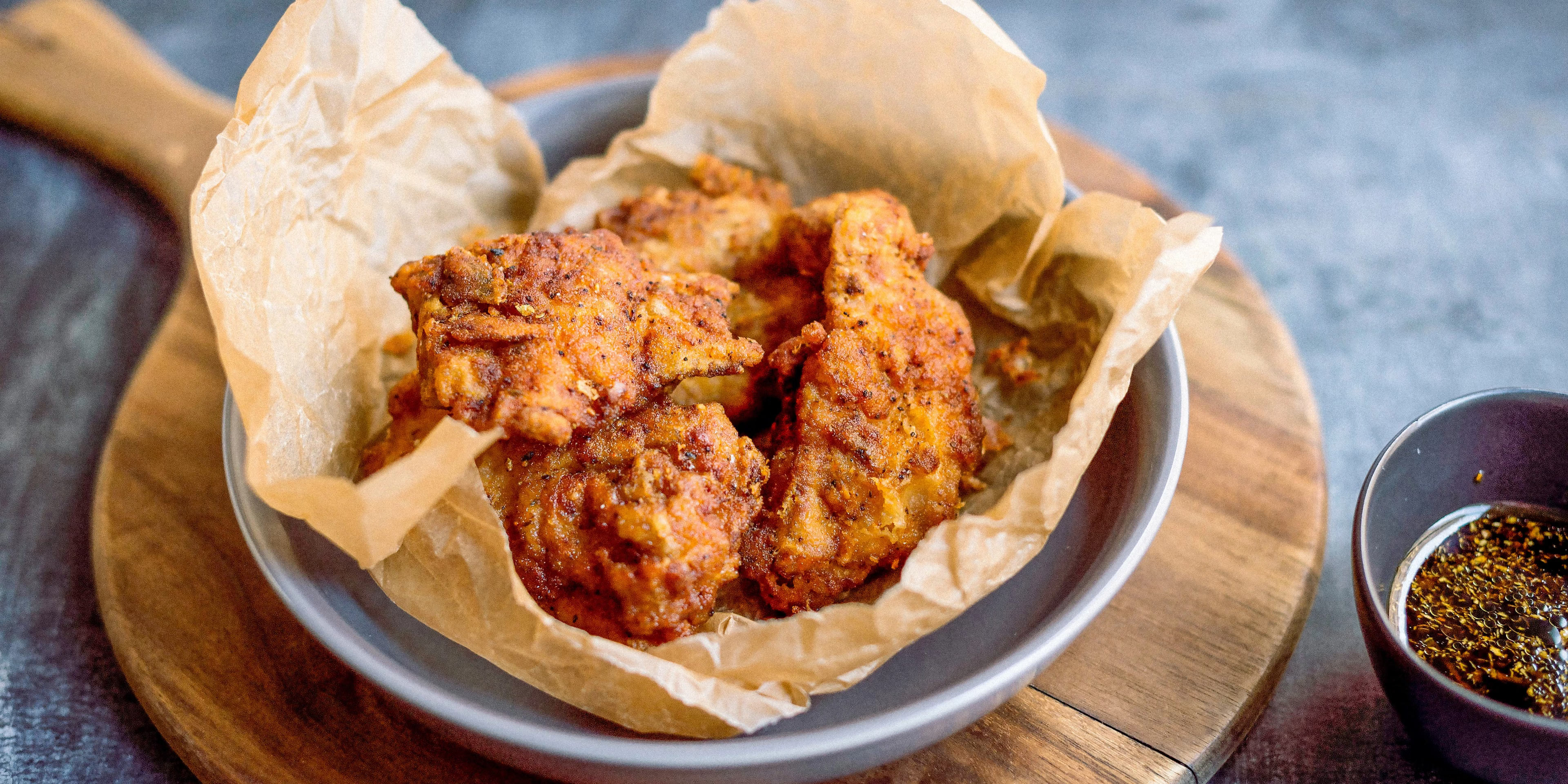


There are many ways to fry a chicken. Bone-in pieces, bites, strips and cutlets—all have a place at our table (and in our stomachs). These are our favorite chicken-frying tips we've picked up during our travels, including the best starch to use for dredging (it's not flour), the secret to a crispy crust and moist meat, and why thighs make the best bites.

Use potato starch, not flour, for the longest lasting crunch
We tested many different starches when developing our recipe for Japanese Fried Chicken: potato starch, cornstarch, rice flour and all-purpose flour. The walk-away winner was indeed the potato starch with the crispiest, thinnest, crunchiest coating and a craggy, whitewashed exterior—by far the most authentic choice for karaage. (Potato starch produces a more complex coating with a more varied surface.)
Rice flour was a distant second with a crisp but slightly hard coating
that was flavorless. Cornstarch and all-purpose flour were pretty much tied for last. The cornstarch coating was slightly crispier than all-purpose,
but the latter had better flavor with testers commenting, “Not crisp, approaching soggy.”
Get the recipe for Japanese Fried Chicken.

Double fry to ensure a crisp crust and perfectly cooked meat
We learned the importance of the double-fry while eating chicken wings in Nagoya at Maka Maka Honten and Yamachan. Frying at a single high temperature often results in overcooked meat or an underdone coating—the outside and inside cook at two different speeds.
Double frying solves this problem. If you've ever watched chicken fry and wondered what all that sizzling is about: That's moisture leaving the meat. The first fry, done at a lower temperature, cooks the meat through while driving off some moisture, and helps set the crust without fully crisping it. Let it rest between fryings, and you give even more moisture a chance to escape in the form of steam, further drying out the crust. (Moisture is the enemy of crispness and browning.)
With less moisture to contend with, a final fry at a higher temp crisps and browns the crust quickly, so you can get that crunchy outer coating you crave while keeping the chicken juicy.
Get the recipe for Nagoya-Style Fried Chicken Wings.
For the best bites, use chicken thighs
Chicken thighs have more flavor, more fat, and more connective tissue than breast meat, making them idea for high-heat cooking, especially when cut into small pieces that are prone to overcooking. All that collagen melts into gelatin, keeping the meat moist during cooking. Thighs also have a richer flavor, one that can stand up to a wide variety of sauces—like a sticky-sweet gochujang-honey glaze or tongue-tingling sichuan sauce.
Get the recipes:
Join the conversation on Facebook, Instagram, TikTok and Pinterest.
And if you're looking for more Milk Street, check out our livestream cooking classes with our favorite chefs, home cooks and friends for global recipes, cooking methods and more.

Milk Street
Milk Street searches the world for techniques and ingredients that can transform your home cooking, producing bolder dishes with less time and effort.
