
23 Recipes to Make with Gochujang
Including noodles, soups and stir-fries.
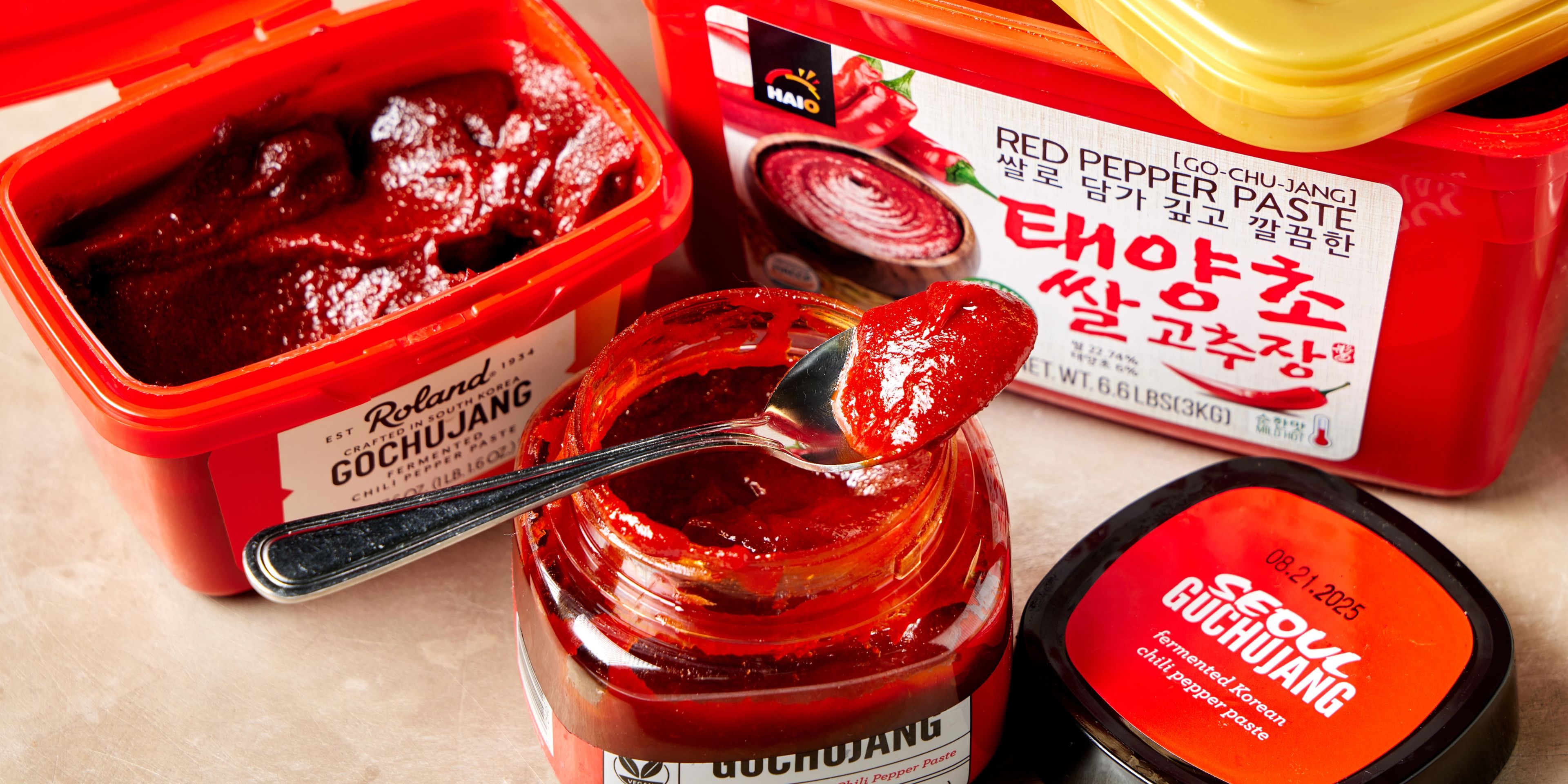
Gochujang is a cornerstone ingredient of Korean cooking. Like most fermented foods and condiments, it packs a wallop of complex flavor, striking a balance between savory and sweet, with a pleasant, umami-laced funkiness and complex, smoky chili heat. Its flavor is potent—a little goes a long way—and it has a tremendous shelf life. (After opening, it can last in the refrigerator for two years.)
It’s also extremely versatile; we use it in everything from dakgangjeong (sticky, garlicky, spicy Korean fried chicken bites) to simple vegetables (like zucchini or potatoes) and baby back ribs.
These are our favorite recipes for using up a tub of gochujang.

Five-Ingredient Pork and Kimchi Stew
This effortless pork stew calls for just five ingredients that simmer into salty-sweet, spicy, tangy, fermented porky goodness. Loosely based on kimchi jjigae, we create a broth from just kimchi, pork, gochujang, soy sauce, and mirin, then add kimchi juice at the end for a layer of fresh, clear flavor. The great thing about this recipe is the lack of technique—dump, simmer, done.

Gochujang Stir-Fried Pork and Celery
Korean gochujang, a fermented chili paste and one of our favorite powerhouse ingredients, supplies flavor backbone along with a rusty red hue in this simple stir-fry. Once the ingredients go in the pan, they stay there—neither meat nor vegetable requires the in-and-out cooking common to stir-fries—so the process is dead easy. Boneless country-style spareribs are our cut of choice here, as they contain a good combination of meat and fat.

Egg Salad with Gochujang, Sesame and Scallions
"Best egg salad I’ve ever had," wrote one reader of this lightly spicy and utterly flavorful recipe. Gochujang supplies a deep fermented backbone to creamy but bland mayo; green peas provide pops of fresh sweetness.

Stir-Fried Gochujang Chicken
Flavor-packed, spicy-sweet gochujang elevates a couldn’t-be-simpler chicken stir-fry. The complexly flavored Korean refrigerator staple is balanced by the pepperiness and pungency of ginger and garlic, plus a splash of salty soy sauce and a spoonful of sugar rounding everything out. We get deeply flavorful browning on the chicken by cooking it on each side without stirring. Serve with steamed rice and a chilled beer.

Gochujang and Soy-Simmered Tofu
This vibrant spicy-sweet braise takes inspiration from the Korean soy-simmered tofu dish dubu jorim. Instead of using gochugaru (Korean hot pepper flakes), as is traditional, we call on gochujang, which adds ample umami as well as complexity and depth. Pressing tofu removes excess moisture, making its texture in the finished dish firmer and meatier. Serve over steamed white rice with a spoonful of the braising liquid and a crisp vegetable, such as stir-fried bok choy.

Miso-Gochujang Umami Sauce
Korean ssamjang, a salty, spicy condiment used with foods that often are wrapped in lettuce for eating, inspired this umami-packed no-cook sauce. It gets its rich, spicy-sweet flavor from a combination of white miso and gochujang—two high-impact ingredients we always keep on hand—plus toasted sesame oil. Scallions and garlic add allium pungency. Serve with grilled or roasted meat, poultry or seafood, or even on runny-yolked fried eggs on top of a bowl of rice.

Spatchcocked Roasted Chicken with Gochujang Butter
Our Korean-inspired seasoning paste elevates a simple roast chicken with spicy-sweet flavor. The blend includes softened butter, gochujang and honey, plus fresh ginger and garlic, which mellow and sweeten as they cook. We smear the mixture under the bird’s skin, directly on the meat, so it takes on the bold flavors. Gochujang, one of our pantry staples, is a fermented chili paste commonly used in Korean cooking; it is loaded with spiciness, a hint of sweetness and lots of umami. You’ll find it in the international section of the supermarket or in Asian grocery stores. Serve with steamed rice.

Gochujang-Glazed Tofu and Bok Choy Traybake
This salty-sweet and subtly spicy traybake takes inspiration from the Korean gochujang-glazed tofu dish, dubu gangjeong. To start, we bake cornstarch-coated tofu in a ripping-hot oven to give it a crisp crust and flavorful browning. We then brush it with a gochujang-honey glaze, which concentrates and caramelizes. Leafy green baby bok choy joins the tofu midway through, its tender-crisp stems and lightly charred leaves offering lots of textural and flavor contrast to the tofu. Steaming-hot rice is a perfect match for this well-seasoned traybake.

Chilled Sesame-Soy Korean Noodles with Gochujang
Bibim guksu, which translates from the Korean as “mixed noodles,” is a refreshing cold noodle dish that’s a perfect meal on a hot summer day. The most common version of bibim guksu is red and fiery with kimchi and gochujang (Korean fermented chili paste), but this recipe takes a milder, more soy- and sesame-centric approach to the flavoring. (We do still use a little gochujang to add body and lots of umami to the dressing, but not enough for intense heat.) Somen is the Japanese name for the type of dried wheat noodle to use here; in Korean they are called somyeon. If somen is not available, soba, or Japanese buckwheat noodles, is a good alternative. If you wish to make it more substantial, top each serving with slivers of hard-cooked egg.

Korean Spicy Chilled Noodles (Bibim Guksu)
This classic Korean dish is a pasta salad of sorts, with bold contrasting flavors and textures. Somen is the Japanese name for the type of dried wheat noodle to use here; in Korean they are called somyeon. The noodles are slender and creamy white; look for them, often packaged in bundles, in the Asian section of the grocery store or in Asian markets. Gochujang is a Korean fermented red pepper paste—it's an essential ingredient is this dish. Made with ¼ cup gochujang, the noodles are assertively spicy. To turn down the heat, reduce the amount to 3 tablespoons. If you like, add a halved or quartered hard- or soft-cooked egg on top of each portion.

Charred Zucchini with Gochujang and Scallions
Hobak muchim is a Korean side dish of seasoned sliced zucchini. This boldly flavorful—yet ultra-simple—version the charred bitter notes and subtle sweetness of the zucchini (or yellow summer squash) is a perfect match for the spicy, pungent, sesame-fragrant, salty-sweet dressing that coats the zucchini after broiling. When shopping, look for medium-size zucchini (ones that weigh about 8 ounces each) so the slices aren’t too small and numerous nor too large and few.

Tuna Gochujang Noodles
Our inspiration for this simple recipe comes from bimbim guksu, a Korean cold noodle dish that pairs delicate somen with kimchi and a spicy sauce. Gochujang, a fermented chili paste, supplies savory, umami-rich flavor and canned tuna turns the noodles into a satisfying, but not heavy, meal in a bowl. Fine pasta, such as angel hair or capellini, work well here, but if you happen to have somen, by all means, use it. And if you have lettuce on hand, shred several leaves and divide them among the bowls, creating a bed for the noodles; toss well before eating.

Cabbage and Chicken Salad with Gochujang and Sesame
Gochujang, ginger, scallions and sesame—core ingredients in the Korean kitchen—inject loads of flavor to a simple cabbage and shredded chicken salad. For convenience, use the meat from a rotisserie chicken; an average-size bird yields about 3 cups, the amount needed for this recipe.

Gochujang-Glazed Baby Back Ribs
Korean dwaeji kalbi are pork ribs seasoned with gochujang (a fermented chili paste), garlic, sugar and a few other high-impact ingredients. The ribs typically are grilled for only enough time to cook the pork through, not for hours on end to render the meat American-barbecue tender. However, for our version, which is a riff on Sohui Kim’s recipe from “Korean Home Cooking,” we use the oven for convenience and we cook the ribs to that ultra-tender state. Look for gochujang in the international aisle of the supermarket or in Asian grocery stores. When shopping for baby back ribs, try to select meaty racks of equal size so they cook at the same rate.

Grilled Gochujang Shrimp with Scallions
These grilled shrimp get just the right amount of spicy flavor and a healthy dose of umami from gochujang, a fermented chili paste that is a key ingredient in the Korean kitchen. It's often sold in plastic tubs in Asian grocery stores or in red squeeze bottles in the Asian aisle of many supermarkets. Serve the shrimp with steamed rice and kimchi, use as a filling for lettuce wraps, or add them to a salad along with a sesame-soy vinaigrette.

Korean-Style Spicy Pork
In dwaeji bulgogi, or Korean spicy grilled pork, thinly sliced pork, often fatty pork belly, is marinated in a savory-sweet mixture of gochujang and soy sauce. We, however, opt for easier-to-find pork shoulder, cook it in a skillet on the stovetop and add the flavorings last. Like pork belly, shoulder is well marbled and flavorful. If the shoulder you purchase has an exterior layer of fat thicker than ½ inch, trim some off so the dish doesn’t wind up greasy. Serve this with steamed short-grain rice, with lettuce leaves for wrapping, if desired.

Korean-Style Noodle Soup with Shrimp
This is a simplified, not-too-spicy version of haemul jjampong, a fiery Korean seafood and noodle soup. Gochujang, or Korean chili paste, gives the broth a bright red hue, as well as chili heat and a solid dose of umami. Look for gochujang in red bottles or tubs in the international aisle of the grocery store or in Asian markets. We cook the starchy udon noodles directly in the broth to add body to the soup, which also makes this a simple one-pot dinner that can be on the table in about half an hour.

Korean Fire Chicken
For this simple spin on Korean buldak, which translates as “fire chicken,” you will need a large broiler-safe skillet. Gochujang, or Korean fermented chili paste, is a key ingredient. Look for it in the international aisle in supermarkets or in Asian grocery stores. Different brands can vary in spiciness, so you may want to start with the smaller amount, then taste after whisking with the vinegar and soy. If desired, whisk in additional gochujang, keeping in mind that the flavors in the finished dish will be slightly more concentrated. Serve with rice and, if you like, lettuce leaves for wrapping.

Korean Chicken and Vegetable Stew
This spicy, umami-filled stew is called dakdoritang in Korean. The flavor backbone comes from soy sauce and gochujang, a Korean fermented chili paste. Look for gochujang, packed in red plastic containers or bottles, in the international aisle of supermarkets or in Asian grocery stores. If you like, drizzle with sesame oil or sprinkle with toasted sesame seeds before serving. Steamed white rice is the perfect accompaniment.

Gochujang-Glazed Potatoes (Gamja Jorim)
Gamja jorim, or salty-sweet soy-simmered potatoes, is a common banchan (small plate) on the Korean table. For our version, we added gochujang (Korean fermented chili paste) for a little heat and extra umami. Yukon Gold potatoes 1½ to 2 inches in diameter worked best, but creamier potatoes were good, too. If your potatoes are very small (about 1 inch in diameter), cut them in half; if larger than 2 inches, cut them into eighths. Depending on the sugar content of your potatoes, they may or may not brown lightly as they cook before the soy mixture is added. This is a great side dish to grilled meats and seafood.

Miso-Gochujang Pulled Pork
This Asian-inflected take on barbecue pulled pork was inspired by the “Pigalicious” wrap served at Bird & Ewe in Sydney. White miso and gochujang provide deep, savory-sweet notes and lots of complex flavor to oven-braised pork butt. Miso usually is sold in the refrigerator case; gochujang, or Korean red pepper paste, does not require refrigeration until the container is opened. Both are available in well-stocked supermarkets and Asian grocery stores. The pork cooks for about three hours; use this time to prep and cook the miso-seasoned onions that are combined with the meat after shredding.

Gochujang Mac and Cheese
This macaroni and cheese, seasoned with spicy, umami-rich gochujang (a fermented Korean chili paste), uses the innovative mac and cheese formula from “Modernist Cuisine at Home.” Sodium citrate stabilizes the cheese instead of the typical flavor-deadening béchamel, so none of the cheddar’s sharp, salty, nutty, funky nuances are lost. Sodium citrate can be purchased online (don’t confuse it with citric acid). So the cheese melts easily, we find it best to shred it finely using the small holes on a box grater.

Gochujang Skirt Steak and Noodles with Kimchi
Meat loves sweet heat! For this meal in a bowl, use sturdy dried Asian wheat noodles, such as non-instant ramen or lo mein. Cook the noodles according to package directions, then drain and rinse; they don’t need to be hot for serving. Kimchi further enforces the fermented flavor while adding crunch.
Join the conversation on Facebook, Instagram, TikTok and Pinterest.
And if you're looking for more Milk Street, check out our livestream cooking classes with our favorite chefs, home cooks and friends for global recipes, cooking methods and more.

Milk Street
Milk Street searches the world for techniques and ingredients that can transform your home cooking, producing bolder dishes with less time and effort.

