
8 Recipes for Using Up That Can of Tomato Paste
Whether you have a couple tablespoons or a whole can.
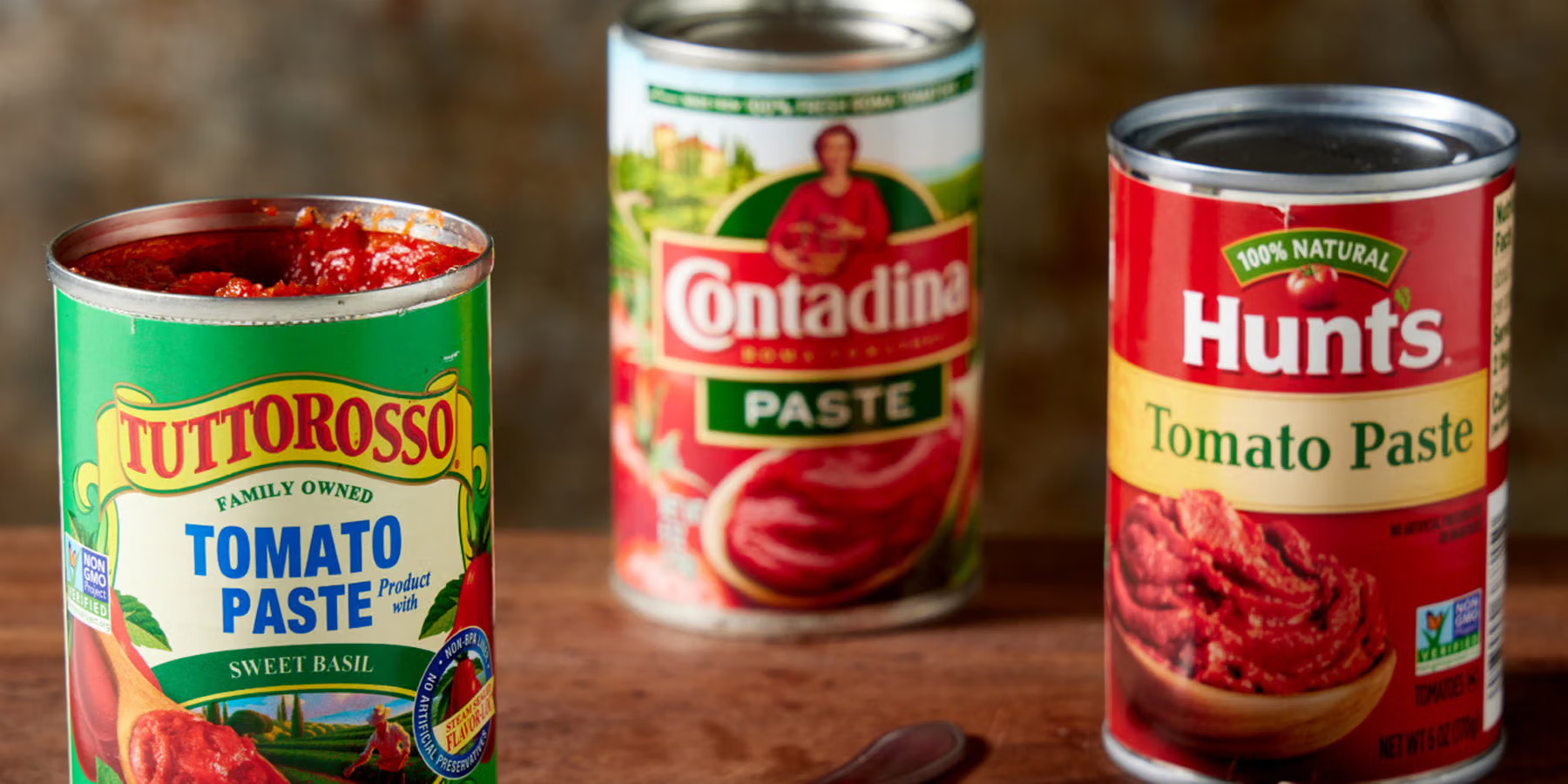
Most home cooks are familiar with the tomato paste conundrum. Recipes rarely call for a whole can and—unless yours comes in a tube—you’re left with extra paste to contend with. Luckily, we have several recipes that make great use of awkward amounts of tomato paste. But first, some tomato paste basics.
What is tomato paste?
Tomato paste is simply tomatoes, cooked down until thick and concentrated, with the seeds and skins strained out. Traditionally, tomato paste was made by drying tomato sauce on wooden boards in the sun, which gave the paste a sun-dried flavor and caramelized richness reminiscent of molasses. Modern tomato paste is cooked, dried, seeded and dehydrated mechanically, but a good one should have those same flavor notes. It shouldn’t be overly sweet or acidic, and it should have a noticeable, robust savoriness.
Higher-end tomato pastes aren’t necessarily better
We taste tested 12 different varieties of tomato paste, a mix of budget-friendly and boutique brands of both single- and double-strength varieties. You can read the results here, but spending more isn't always worth it:
To our surprise, three standard-strength supermarket brands stood out. Tuttorosso offered balanced umami and sweetness, with a deep, roasted flavor and thick consistency. Hunt’s had a pleasant sweetness and well-balanced savory notes. And Contadina impressed us with its bold tomato flavor and punchy acidity, providing a fresher taste. Premium double-strength brand Maria Grammatico also scored well, thanks to its savory intensity and big tomato flavor. (Note that with double-strength, you may need to use less than the recipe calls for.)
How to store leftover tomato paste
Storing a tube of paste is easy, but once opened, canned tomato paste cannot be stored in its original packaging. It can, however, be transferred to an airtight container and stored in the fridge for a couple of weeks or frozen for a few months. You can even portion 1 or 2 tablespoons of paste into an ice cube tray, freeze, then transfer the portions to a freezer bag so you can defrost only what you need.
OK, onto the recipes!

Farro Soup with Celery and Parmesan
If I could impart one piece of tomato paste wisdom to you, it would be this: Brown your tomato paste. Though this ingredient is already a source of concentrated flavor, it can be a bit sharp, even metallic. Browning caramelizes the sugars and activates the glutamates (complex flavor compounds responsible for umami). It still tastes strongly of tomato, only richer and rounder, with less acidity. Combine it with chewy farro, savory Parmesan and a few other staples, and you get a remarkably savory soup.
Tomato paste used: 2 tablespoons

Three-Tomato Marinara Pasta
This marinara is marvelously multi-layered. Tomato paste, browned with garlic, forms the foundation; canned crushed tomatoes add a layer of sauciness; and fresh cherry (or grape) tomatoes supply sweetness and brightness. This marinara pairs well with long, strand-shaped pasta such as spaghetti and bucatini, but also is good with short, tubular shapes with sauce-gripping ridges, such as penne rigate and mezze rigatoni.
Tomato paste used: 3 tablespoons

Roasted Cauliflower with Tahini and Lemon
This weeknight-friendly version of crispy Levantine cauliflower gets layers of flavor from tahini, lemon, and—you guessed it—tomato paste. We ditch the deep-fryer in favor of high-heat roasting, coating the cauliflower with a little cornstarch mixed with oil, tomato paste and tahini. The starch helps the florets develop crisp, nicely browned exteriors; the tahini and tomato paste caramelize to form a nutty, umami-rich crust. “This recipe takes cauliflower to new heights,” wrote one reader. “The flavors are delicious and balanced, and they reheat well for leftovers the next day.”
Tomato paste used: 3 tablespoons

Romanian Caramelized Onion “Hummus”
This isn’t a true hummus, more of a garlicky white bean dip, but it’s the topping of tomato- and paprika-enriched caramelized onions that makes it truly special. Based on fasole bătută, a Romanian white bean puree, It’s often eaten with sausages, but works wonderfully as a dip for bread, raw vegetables or crackers. It’s a great recipe, but feel free to start adding a little tomato paste to all of your caramelized onions—it adds a lovely, deep savoriness.
Tomato paste used: 3 tablespoons

Eight-Ingredient Beef and Bean Chili
A generous amount of tomato paste, cooked until deeply browned, adds rich, concentrated flavor to this flavor-packed, pantry-friendly, weeknight chili. We’re also not shy with the seasonings. We add ¼ cup of chili powder and a full tablespoon of cumin, plus a surprising addition: cocoa powder. It imparts amazing depth and complexity without tasting like chocolate.
Tomato paste used: 1/4 cup

Slow-Roasted Tomatoes
Tomatoes falling flat in the flavor department? Tomato paste can give them a boost, rendering soft and savory them as they roast and concentrate in the oven, while white balsamic vinegar brings a bright tanginess. Slow-roasted tomatoes are a powerful pantry staple; add them to soups, sauces, pasta, polenta, sandwiches and salads.
Tomato paste used: 1/4 cup

Smoked Paprika and Cumin Ketchup
Turn that partially-full can of paste into a condiment. Inspired by the many Cuban fritas we sampled in Miami, this one is a balanced blend of smoky, savory, sweet, tangy and spicy flavors. Butter, used to sauté the onion, added a richness that oil did not. We liked the sauce best made with Cholula or Crystal Hot Sauce. Use this as you would ketchup—on eggs, potatoes and, of course, burgers.
Tomato paste used: 1/4 cup

Chicken and Orzo Soup with Garlic and Paprika
For this simple Turkish-inspired soup, browning a generous amount of tomato paste with chopped garlic builds a complex, deeply savory base. Sweet paprika lends bold color and earthy notes and dried mint infuses the dish with its unique herbaceousness. Simmering the orzo in the broth after the chicken is fully tender ensures perfectly cooked pasta, and also adds body to the broth. If you like, serve with crusty bread or a simple salad dressed with lemon vinaigrette.
Tomato paste used: 1/3 cup

Pasta with Tomato, Onion and Butter
The easiest way to avoid the leftover tomato paste connundrum is to use the whole can in one go. This sauce, based on Marcella Hazan’s famous tomato sauce with onion and butter, does just that. To keep things pantry-friendly, we replace the fresh tomatoes with a can of tomato paste to create a dish that can be on the table in minutes. Finish the sauce with a splash of balsamic vinegar and nutty Parmesan.
Tomato paste used: One 6-ounce can
Join the conversation on Facebook, Instagram, TikTok and Pinterest.
And if you're looking for more Milk Street, check out our livestream cooking classes with our favorite chefs, home cooks and friends for global recipes, cooking methods and more.

Claire Lower
Claire Lower is the Digital Editor for Christopher Kimball’s Milk Street, with over a decade of experience as a food writer and recipe developer. Claire began writing about food (and drinks) during the blogging boom in the late 2000s, eventually leaving her job as a lab technician to pursue writing full-time. After freelancing for publications such as Serious Eats, Yahoo Food, xoJane and Cherry Bombe Magazine, she eventually landed at Lifehacker, where she served as the Senior Food Editor for nearly eight years. Claire lives in Portland, Oregon with a very friendly dog and very mean cat. When not in the kitchen (or at her laptop), you can find her deadlifting at the gym, fly fishing or trying to master figure drawing at her local art studio.
